Preparing Your IT Infrastructure for Seasonal Shifts: A Practical Guide
IV
Understanding Seasonal Shifts in IT Demands
As businesses navigate through the year, they often experience fluctuations in demand that can affect their IT infrastructure. These seasonal shifts can be due to various factors such as holidays, fiscal year-end, or industry-specific events. Understanding these shifts is crucial for maintaining optimal performance and avoiding downtime.

Assessing Your Current IT Infrastructure
Before making any adjustments, it's essential to evaluate your existing IT setup. This includes reviewing server capacity, network bandwidth, and storage solutions. A thorough assessment helps identify potential bottlenecks and areas for improvement, ensuring your infrastructure is ready to handle increased loads.
Conduct regular audits to ensure that your systems are up to date. Pay particular attention to areas such as software versions, hardware capabilities, and security protocols. Keeping everything current can significantly reduce the risk of unexpected failures during peak times.
Scaling Resources Efficiently
One of the key strategies in preparing for seasonal shifts is scaling your resources efficiently. This can be done through cloud services that offer flexibility and scalability. By leveraging cloud solutions, businesses can easily adjust their resources to meet demand without the need for significant upfront investments.
Implementing Load Balancing
Load balancing is another critical component of preparing your IT infrastructure. It ensures that the workload is distributed evenly across servers, preventing any single server from becoming overwhelmed. This not only improves performance but also enhances the overall user experience.
Investing in automated load balancing solutions can help businesses manage traffic spikes effectively. These solutions automatically redirect traffic to less congested servers, maintaining smooth operations during peak periods.
Enhancing Security Measures
With increased activity often comes an increased risk of cyber threats. It's vital to enhance security measures during peak seasons to protect sensitive data and maintain customer trust. This includes implementing robust firewalls, encryption protocols, and intrusion detection systems.

Training Your IT Staff
Ensure that your IT staff is well-prepared to handle the demands of peak seasons. Regular training sessions can equip them with the necessary skills to manage increased loads and respond effectively to any issues that arise. Encourage proactive monitoring to identify and resolve potential problems before they escalate.
Monitoring and Analyzing Performance
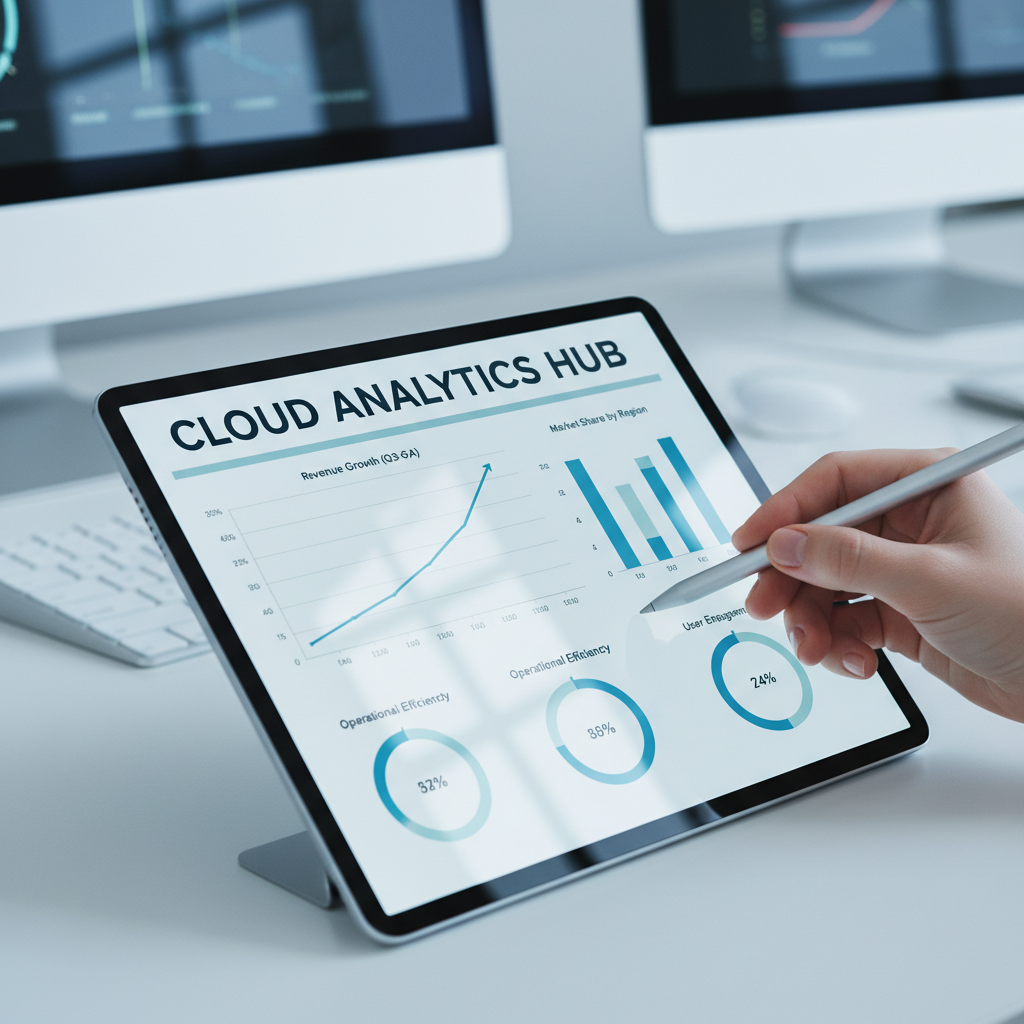
Continuous monitoring and analysis are essential to ensure that your IT infrastructure remains efficient during seasonal shifts. Utilize advanced monitoring tools to track performance metrics and identify areas that require attention. This ongoing analysis allows for timely adjustments and helps maintain optimal performance.
By preparing your IT infrastructure for seasonal shifts, businesses can ensure a seamless experience for their customers and maintain competitive advantage. Focusing on scalability, security, and staff readiness will help manage demand fluctuations effectively and keep operations running smoothly.